How Modern Home Designs Are Changing New Construction Trends
Modern home design has evolved into a driving force behind how new residential construction is planned, engineered, and delivered. Today’s homeowners are no longer satisfied with traditional layouts or standard finishes; instead, there is a growing demand for spaces that are functional, energy-efficient, flexible, and visually aligned with contemporary lifestyles. As a result, builders and architects are rethinking every aspect of residential development, from floor planning to material selection, to meet shifting expectations in the housing market.
This transformation is not only aesthetic but also structural and technological. Open-concept living, smart home integration, sustainable building materials, and multi-functional spaces are becoming foundational elements in new construction trends. In today’s competitive real estate environment, adapting to these evolving design principles has become essential for long-term value, livability, and market relevance.
Understanding how modern home design is shaping construction trends helps homeowners, builders, and developers make informed decisions that align with both current demands and future growth. The shift represents more than style—it reflects a new standard in how homes are built and experienced.
1. Shift Toward Open and Flexible Living Spaces
Open Floor Plan Revolution
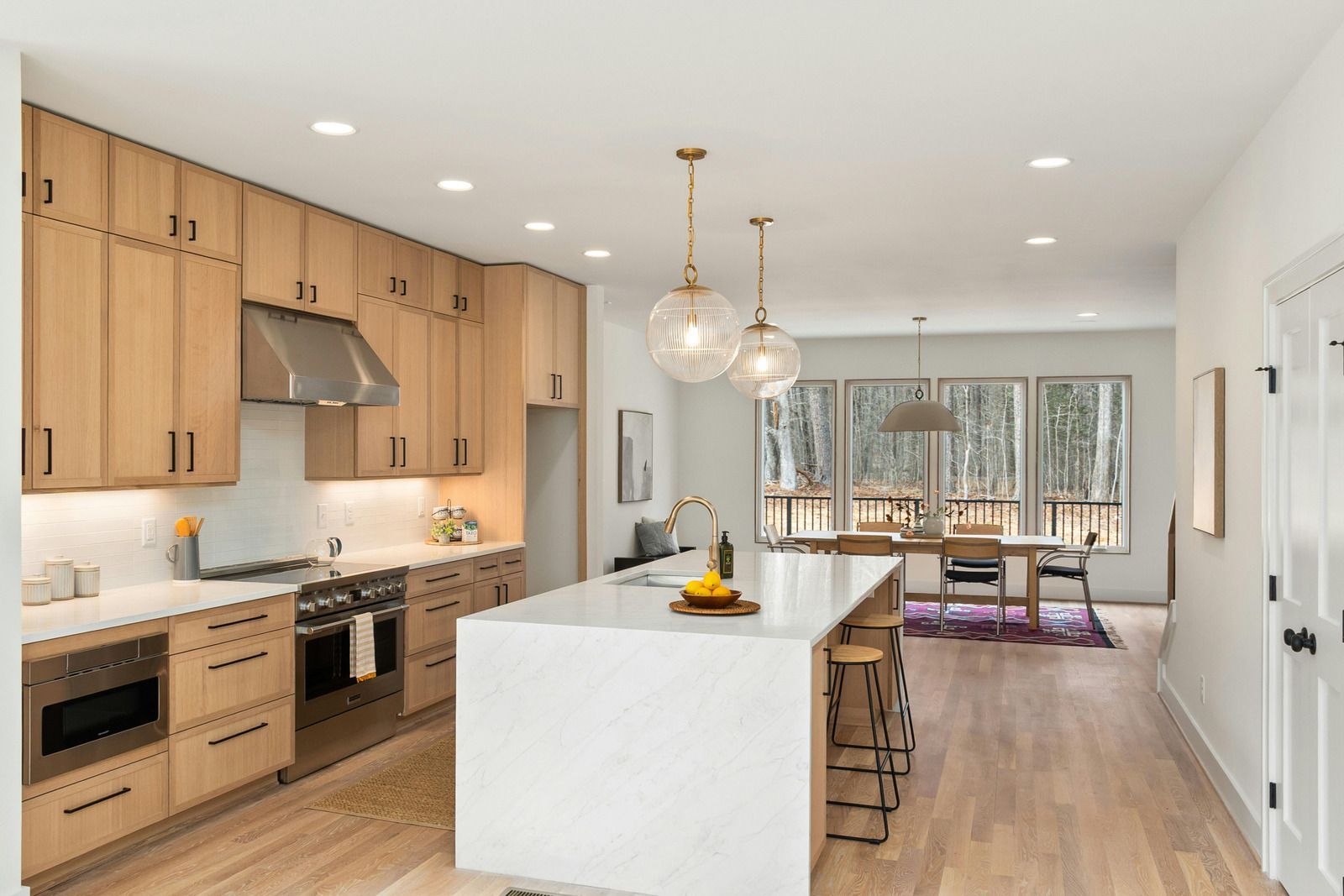
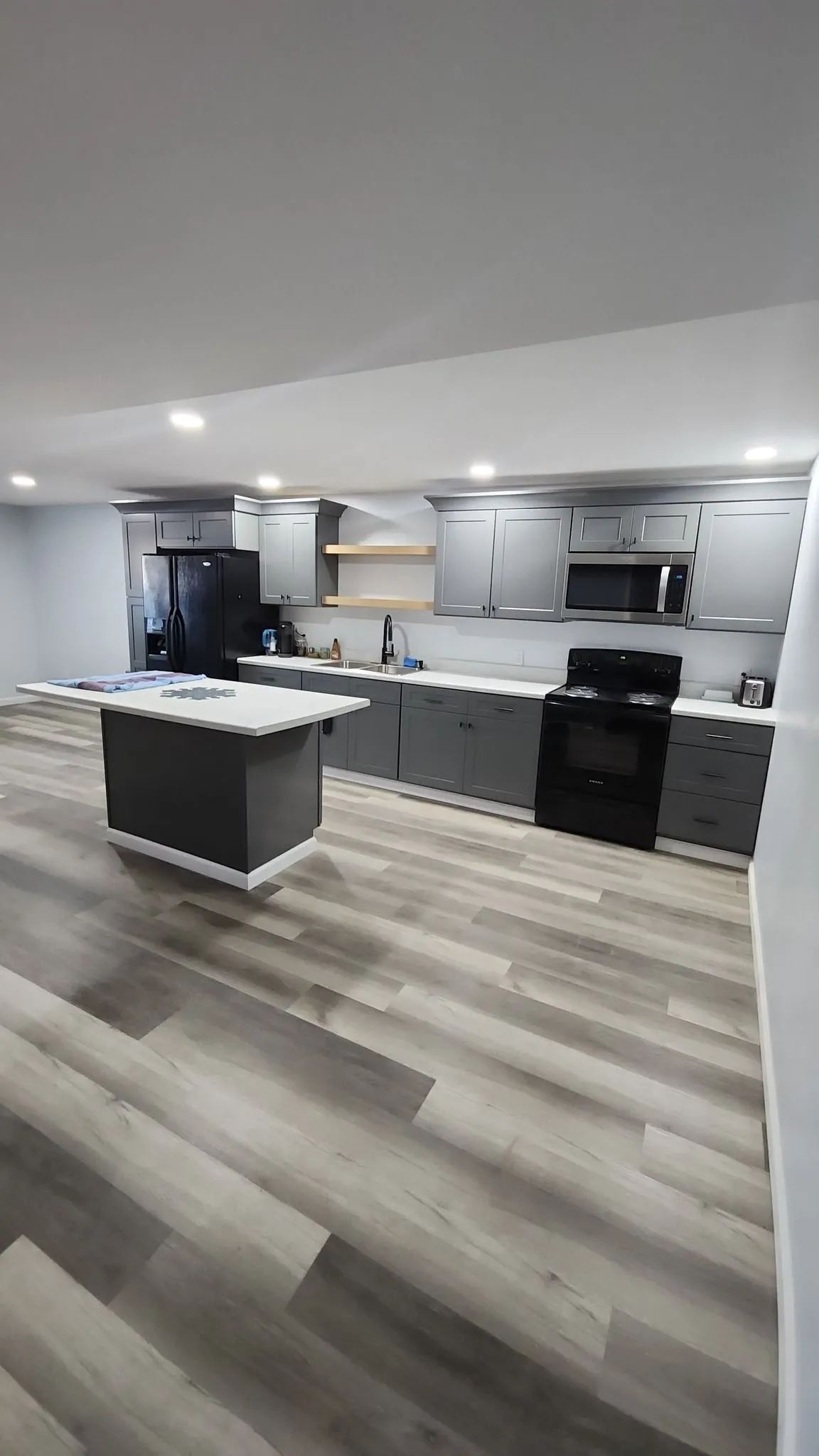
Modern construction increasingly focuses on open floor plans that remove unnecessary walls and barriers between key living spaces. This approach allows seamless movement between kitchen, dining, and living areas while enhancing natural light and improving social interaction. Homeowners now prefer spacious layouts that feel connected, airy, and visually larger, supporting comfort, functionality, and modern lifestyle expectations in residential design and construction standards today.
Multi-Functional Room Design
Flexibility has become essential in modern residential construction, with rooms designed to serve multiple purposes throughout their lifespan. Home offices can function as guest bedrooms, while dining areas often double as study or workspaces. This adaptable approach allows homes to respond to changing family needs, remote work demands, and evolving lifestyles, ensuring long-term usability, efficiency, and practical value for homeowners in modern housing.
Real-World Impact
In real-world construction, builders increasingly design structural systems that support open layouts by minimizing interior load-bearing walls while maintaining safety and stability. This requires advanced engineering, precise planning, and coordination between design and execution teams. The outcome is a more open and functional living environment that enhances comfort, improves usability, and aligns with modern expectations for spacious residential design across new construction projects.
2. Selecting the Right Location
Evaluating Site Characteristics
The location of a new home significantly impacts its value, livability, and long-term satisfaction. Before purchasing land, evaluate factors such as soil quality, topography, drainage, and potential environmental hazards. A site with stable soil and good drainage reduces construction challenges and minimizes future maintenance costs. Additionally, considering sunlight exposure, wind patterns, and natural landscape features can enhance energy efficiency and overall comfort.
Accessibility and Amenities
Proximity to essential services, schools, healthcare, and recreational facilities should influence site selection. Convenient access to transportation networks reduces daily travel time and increases property value. First-time builders often overlook neighborhood dynamics, including traffic patterns, future development plans, and local regulations, which can impact the living experience and resale potential.
Zoning and Regulations
Understanding zoning laws and building codes is critical before finalizing a location. Zoning regulations dictate property use, allowable building sizes, setbacks, and potential restrictions. Compliance with local codes ensures smooth permitting and avoids costly redesigns. Engaging with local planning authorities or a professional familiar with municipal regulations provides clarity and prevents unexpected obstacles during construction.
2. Integration of Smart Home Technology
Automation as a Standard Feature
Smart home automation is rapidly becoming a standard element in new residential construction, with integrated systems controlling lighting, climate, security, and appliances. These features are no longer optional upgrades but expected components of modern homes. Builders now incorporate automation infrastructure during construction, ensuring seamless operation, improved convenience, enhanced safety, and greater control over household environments for homeowners in modern residential development projects today.
Energy Efficiency Through Technology
Modern home designs increasingly rely on smart technology to improve energy efficiency, using tools such as automated thermostats, motion-sensor lighting, and real-time energy monitoring systems. These innovations reduce energy waste, lower utility costs, and support sustainable living practices. Intelligent systems are integrated into home infrastructure during construction, allowing seamless performance and long-term environmental and financial benefits for residents in modern housing developments today.
Construction-Level Integration
Instead of retrofitting technology after construction, modern building practices now integrate smart systems directly into architectural planning and infrastructure design. This includes embedded wiring, centralized control hubs, and pre-installed connectivity networks that ensure reliable performance. Homes are increasingly built as fully connected environments, allowing seamless interaction between devices, improved system efficiency, and long-term durability for homeowners in modern residential construction practices.
3. Sustainable and Eco-Friendly Building Practices
Demand for Green Materials
Sustainability is now a major driver in modern construction, with increasing demand for environmentally responsible materials such as recycled steel, engineered wood, and low-emission finishes. These materials reduce environmental impact while maintaining durability and performance. Builders and homeowners prioritize long-term value, focusing on eco-friendly options that support healthier living environments and align with evolving environmental standards in the residential development industry-wide practices.
Energy-Efficient Design Principles
Modern residential construction emphasizes energy-efficient design principles such as optimized insulation, strategic window placement, and passive heating and cooling techniques. These approaches help maintain indoor comfort while reducing overall energy consumption throughout seasonal changes. Builders incorporate these principles during early planning stages to ensure long-term efficiency, lower utility expenses, and improved environmental performance across residential developments in modern sustainable building practices today.
Water and Resource Conservation
Modern construction increasingly incorporates water and resource conservation systems, including low-flow fixtures, rainwater harvesting setups, and drought-resistant landscaping. These solutions reduce water consumption, lower utility costs, and support environmentally responsible living. Builders prioritize efficient resource management during planning and construction, ensuring homes are designed to minimize waste and promote sustainability across long-term residential usage in modern eco-friendly housing development practices.
Industry Shift
Construction industries are adapting to stricter environmental regulations and certification requirements, making sustainable building practices a standard rather than an option. This shift reflects a broader commitment to environmental responsibility and long-term efficiency in modern housing markets across evolving sustainable construction standards and worldwide practices.
4. Minimalist Aesthetics and Functional Simplicity
Clean Architectural Lines
Modern home design emphasizes clean architectural lines that prioritize simplicity, balance, and visual clarity. Neutral color palettes and uncluttered layouts create a sense of openness and sophistication within residential spaces. This approach reduces visual noise, enhances spatial perception, and supports a more organized living environment. Builders focus on precision and intentional design choices to achieve this minimalist aesthetic effectively in modern construction projects.
Purpose-Driven Interiors
Every element in modern residential interiors is designed with a clear functional purpose, ensuring that spaces are both practical and visually cohesive. Storage solutions are often integrated into walls, while furniture serves multiple uses to maximize efficiency. Layouts prioritize usability over decoration, creating homes that support daily living needs while maintaining a clean, organized, and highly functional environment for residents in modern homes.
Material Selection Trends
Material selection in modern construction focuses on natural, durable, and visually appealing options such as stone, wood, and glass. These materials enhance interior aesthetics while ensuring long-term durability and ease of maintenance. Builders and designers prioritize balanced combinations that create timeless residential environments. The goal is to achieve both functionality and elegance without compromising structural integrity or performance standards in modern home design.
Psychological and Lifestyle Benefits
Minimalist design principles in modern homes contribute significantly to psychological well-being and improved lifestyle quality. Clean, uncluttered environments reduce stress, enhance focus, and promote a sense of calm and order. This approach supports healthier living conditions by eliminating unnecessary distractions and encouraging intentional use of space. Homeowners benefit from environments that feel balanced, peaceful, and highly functional in daily life in modern housing.
5. Outdoor Living and Indoor-Outdoor Connectivity
Blurring Indoor and Outdoor Boundaries
Modern residential architecture increasingly blurs the boundary between indoor and outdoor living by incorporating large glass doors, open patios, and seamless transitional spaces. This design approach creates a continuous flow between interior comfort and exterior environments. It enhances natural light, improves ventilation, and encourages a stronger connection with nature while expanding usable living areas for homeowners throughout the year in modern housing design.
Functional Outdoor Spaces
Outdoor living areas are becoming essential components of modern residential design, with features such as outdoor kitchens, entertainment zones, seating lounges, and landscaped environments. These spaces are designed for year-round usability rather than seasonal use. Builders focus on durability, weather resistance, and aesthetic integration to ensure outdoor areas function as natural extensions of indoor living spaces for homeowners in modern residential construction projects.
Natural Light Optimization
Smart home systems enhance convenience, security, and efficiency. Automated lighting, climate control, security monitoring, and energy management can be incorporated during construction, creating an integrated, future-ready living environment. Early planning ensures seamless installation and maximizes technological benefits without compromising design integrity.
Lifestyle Enhancement
Integration of outdoor and indoor living spaces significantly enhances modern lifestyles by promoting physical activity, relaxation, and mental well-being. Access to natural environments encourages healthier routines and reduces stress. Home design now prioritizes outdoor connectivity to support balanced living experiences. This approach improves overall quality of life while creating functional and enjoyable residential environments for homeowners in modern residential design practices.
Skilled Contractors Transforming Modern Home Design Visions
Modern home design is fundamentally reshaping new construction trends by prioritizing openness, sustainability, smart integration, and personalization. These evolving preferences are redefining how residential spaces are planned and built, ensuring that homes are not only visually appealing but also functional, efficient, and adaptable to future needs. The shift toward flexible layouts, eco-friendly materials, and technology-driven living reflects a broader transformation in how people experience and interact with their homes.
As construction continues to evolve, staying aligned with these design principles becomes essential for long-term value and livability.
Alpha Elite Contracting, a
General Contractor based in Columbia, Missouri, brings 22 years of experience in delivering high-quality residential construction solutions aligned with modern design trends. With a strong focus on precision, structural integrity, and client-focused execution, our work reflects the evolving demands of today’s homeowners. Every project is approached with a commitment to craftsmanship, transparency, and long-term durability. We continue to build with a standard of excellence that supports innovation while maintaining reliability and trust in every stage of the construction process.