Key Considerations When Planning Your First New Home Construction
Building a new home is one of the most significant investments many individuals will make in their lifetime. It offers an opportunity to create a living space tailored to personal preferences, lifestyle, and long-term needs. Unlike purchasing an existing home, new construction allows for complete customization—from floor plans to finishes—providing control over both aesthetics and functionality. However, the process also requires careful planning, informed decision-making, and attention to detail to ensure a successful outcome. Understanding the steps involved, potential challenges, and critical considerations is essential for first-time home builders. Each choice, from selecting the right lot to choosing materials, directly impacts the home’s durability, efficiency, and long-term value. A thoughtful approach can transform the construction journey into a rewarding experience rather than a stressful endeavor.
For individuals embarking on their first new home construction, the process can seem overwhelming. Questions about budgeting, permits, site selection, and construction timelines often dominate initial planning stages. Making decisions without proper guidance can lead to costly delays or compromises in quality. Therefore, a structured approach that prioritizes strategic planning, professional consultation, and realistic goal-setting is key. This guide explores the essential considerations for planning a first new home construction project, offering insights into budgeting, design, permits, materials, and contractor selection. By understanding these factors upfront, homeowners can navigate the construction process with confidence, achieving a final result that meets expectations both aesthetically and functionally. Proper planning also allows for the integration of modern design trends, energy-efficient solutions, and flexible spaces that can adapt to future lifestyle changes. With a clear roadmap, first-time builders can make informed decisions that save time, reduce stress, and maximize the overall value of their investment.
1. Establishing a Realistic Budget
Determining Total Project Costs
The first step in any new home construction project is establishing a comprehensive budget. A realistic budget should account for more than just construction costs; it must include land acquisition, design fees, permits, utility connections, landscaping, and contingency funds. Homeowners often underestimate the impact of soft costs, which can account for 10–20% of the total project budget. Allocating funds for unexpected expenses is crucial to avoid financial strain during construction.
Prioritizing Spending
Prioritization helps maintain focus on essential elements without compromising quality. For example, allocating more budget to structural integrity and energy-efficient systems can prevent long-term expenses, while non-essential upgrades such as premium fixtures can be phased in later. Developing a tiered approach to spending ensures core requirements are met first, reducing the risk of overextending financial resources.
Financing Options
Exploring financing options is equally important. Construction loans, mortgages, and personal savings are common methods for funding new home projects. Construction loans often require detailed project plans, timelines, and budgets for approval. Understanding interest rates, repayment structures, and loan disbursement schedules enables better financial planning and ensures funds are available when needed. Consulting a financial advisor or mortgage specialist early in the process can prevent delays and provide clarity on funding strategies.
2. Selecting the Right Location
Evaluating Site Characteristics
The location of a new home significantly impacts its value, livability, and long-term satisfaction. Before purchasing land, evaluate factors such as soil quality, topography, drainage, and potential environmental hazards. A site with stable soil and good drainage reduces construction challenges and minimizes future maintenance costs. Additionally, considering sunlight exposure, wind patterns, and natural landscape features can enhance energy efficiency and overall comfort.
Accessibility and Amenities
Proximity to essential services, schools, healthcare, and recreational facilities should influence site selection. Convenient access to transportation networks reduces daily travel time and increases property value. First-time builders often overlook neighborhood dynamics, including traffic patterns, future development plans, and local regulations, which can impact the living experience and resale potential.
Zoning and Regulations
Understanding zoning laws and building codes is critical before finalizing a location. Zoning regulations dictate property use, allowable building sizes, setbacks, and potential restrictions. Compliance with local codes ensures smooth permitting and avoids costly redesigns. Engaging with local planning authorities or a professional familiar with municipal regulations provides clarity and prevents unexpected obstacles during construction.
3. Designing a Functional and Flexible Home
Assessing Lifestyle Needs
Designing a home that aligns with daily routines and long-term goals is essential for comfort and efficiency. Consider factors such as family size, work-from-home requirements, storage needs, and future expansions. Open-concept layouts may enhance social interaction, while dedicated spaces for work, hobbies, or exercise can improve functionality. Understanding lifestyle priorities ensures that the home serves both current and future needs.
Integrating Energy Efficiency
Energy-efficient design reduces long-term operational costs and enhances sustainability. Incorporating features such as high-performance insulation, energy-efficient windows, and LED lighting contributes to lower utility bills and increased comfort. Planning for renewable energy systems, like solar panels, or implementing smart home technologies can further optimize efficiency and convenience. Energy modeling and consultation with design professionals help identify the most effective strategies for the specific site and climate.
Selecting Materials and Finishes
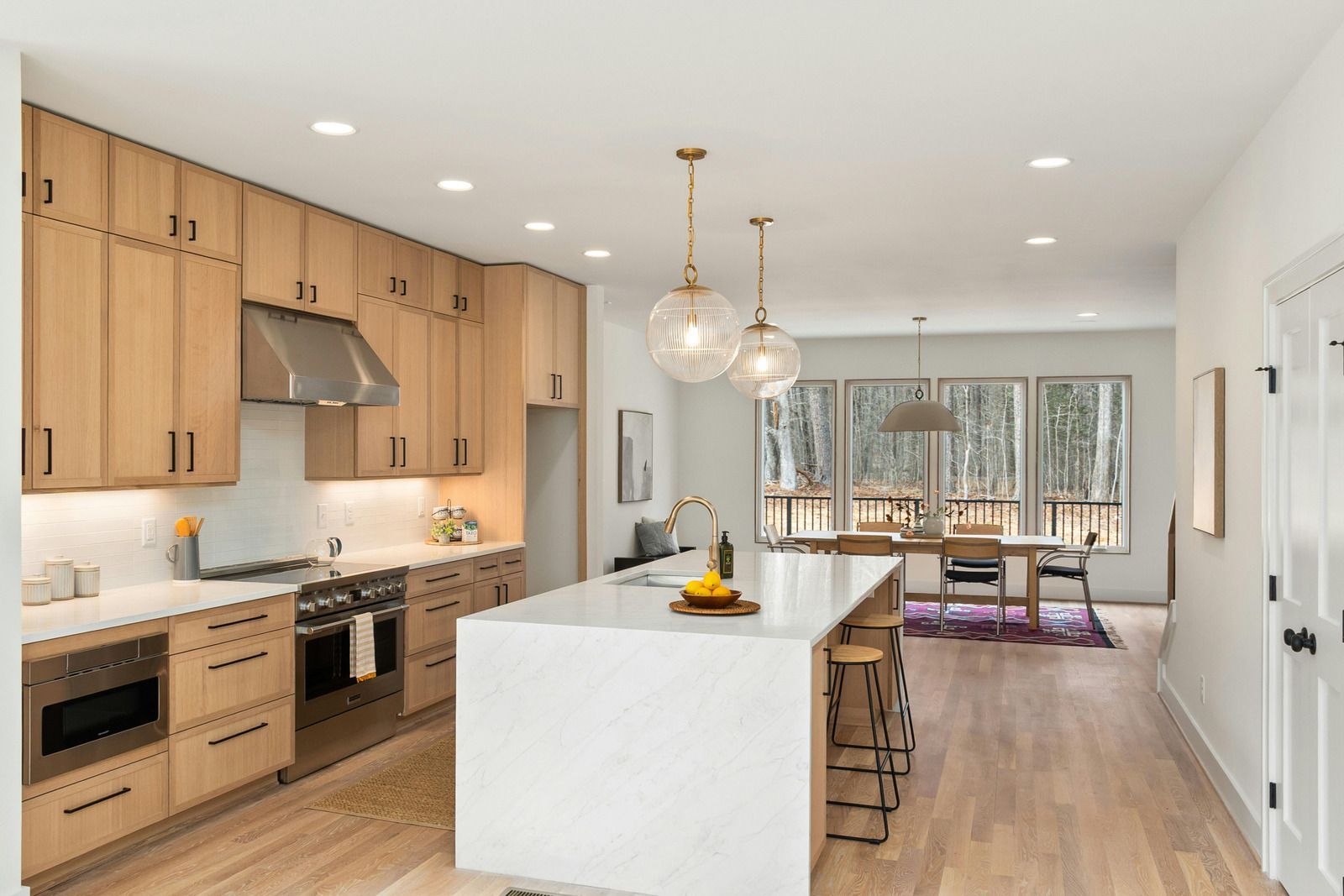
Material selection influences durability, maintenance, and aesthetics. High-quality materials for roofing, siding, and flooring provide long-term value, while finishes such as cabinetry, countertops, and fixtures impact visual appeal. Balancing cost, performance, and design preferences ensures a cohesive and resilient final product. Testing samples and reviewing product specifications can prevent costly mistakes and enhance satisfaction with the completed home.
4. Navigating Permits and Legal Requirements
Understanding Permitting Processes
Obtaining permits is a legal requirement for new construction and ensures compliance with building codes. Common permits include zoning approvals, foundation inspections, electrical and plumbing permits, and occupancy certificates. Each permit may have specific requirements and timelines, which can affect the overall construction schedule. Starting the permitting process early helps avoid delays and ensures adherence to local regulations.
Coordinating Inspections
Regular inspections throughout construction ensure that work meets safety and quality standards. Structural inspections, electrical and plumbing checks, and final occupancy inspections provide assurance that the home is built to code. Scheduling inspections proactively reduces the risk of costly corrections and facilitates smoother project progression.
Legal Documentation
Documenting contracts, change orders, warranties, and lien releases protects homeowners and establishes clear expectations with contractors. Legal clarity is especially important in first-time construction projects, where unforeseen changes can create disputes. Keeping organized records ensures accountability, supports compliance, and provides a reference in case issues arise after project completion.
5. Choosing a Qualified Contractor
Evaluating Experience and Reputation
Selecting the right contractor is critical to project success. Contractors with a proven track record in new home construction demonstrate expertise in project management, quality control, and problem-solving. Researching past projects, reviewing client testimonials, and verifying licenses and certifications provide insight into competence and reliability.
Communication and Collaboration
Effective communication between homeowners and contractors fosters transparency and minimizes misunderstandings. Establishing clear points of contact, regular progress updates, and structured decision-making processes ensures alignment throughout construction. A collaborative approach allows for timely adjustments, enhances efficiency, and maintains project momentum.
Contractual Considerations
A detailed contract outlining scope of work, timelines, payment schedules, and responsibilities protects all parties. Including clauses for change orders, dispute resolution, and warranty coverage mitigates risks associated with unexpected developments. Clear contractual agreements establish accountability and provide legal protection in the event of disagreements.
6. Planning for Future Growth and Maintenance
Anticipating Lifestyle Changes
Planning for future needs ensures the home remains functional over time. Consider potential family growth, evolving work situations, or accessibility requirements. Flexible design solutions, such as convertible rooms, expandable storage, and adaptable layouts, allow homeowners to modify spaces without extensive remodeling.
Maintenance and Longevity
Prioritizing durable materials, quality construction techniques, and preventive maintenance reduces long-term costs. Regular inspections of roofing, plumbing, electrical systems, and HVAC equipment help identify issues early and maintain optimal performance. Integrating low-maintenance landscaping and energy-efficient systems also contributes to sustainable living.
Incorporating Smart Technology
Smart home systems enhance convenience, security, and efficiency. Automated lighting, climate control, security monitoring, and energy management can be incorporated during construction, creating an integrated, future-ready living environment. Early planning ensures seamless installation and maximizes technological benefits without compromising design integrity.
Expert Advice to Navigate Construction Challenges
Planning a first new home construction requires careful consideration of multiple factors, including budgeting, site selection, design, permitting, contractor selection, and long-term maintenance. A strategic approach that emphasizes research, informed decision-making, and proactive planning significantly reduces the likelihood of costly delays, design compromises, or construction errors. By addressing financial, legal, and practical aspects early in the process, homeowners can achieve a home that aligns with their lifestyle, preferences, and long-term goals.
At Alpha Elite Contracting, experience guides every project from conception to completion. With 22 years as a trusted general contractor in Columbia, Missouri, we specialize in delivering new home construction that combines craftsmanship, efficiency, and attention to detail. Our expertise ensures every design choice, material selection, and construction phase meets the highest standards. We understand the challenges first-time builders face and provide guidance that simplifies decision-making while maintaining control over the final outcome. From navigating permits to implementing energy-efficient solutions, our approach integrates professionalism with a personalized touch. Working with Alpha Elite Contracting means partnering with a team that values transparency, quality, and long-term satisfaction, ensuring that the dream of a new home becomes a reality with confidence and peace of mind.